Shop
Ritalin Online: A Comprehensive Guide
Introduction
Overview of Ritalin
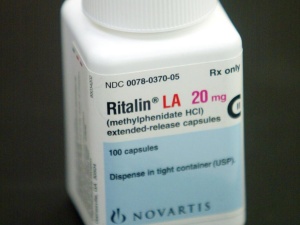
Ritalin, also known by its generic name methylphenidate, is a central nervous system stimulant used primarily in the treatment of attention deficit hyperactivity disorder (ADHD) and narcolepsy. It is one of the most commonly prescribed medications for ADHD due to its effectiveness in improving focus, attention, and impulse control.
Importance of Ritalin in ADHD Treatment
ADHD is a neurodevelopmental disorder characterized by symptoms such as inattention, hyperactivity, and impulsivity. Ritalin helps manage these symptoms by increasing the levels of certain neurotransmitters in the brain, leading to improved cognitive function and behavior control. It plays a vital role in enhancing the quality of life for individuals with ADHD.
Purpose of the Article
This article serves as a comprehensive guide to Ritalin, covering its uses, benefits, side effects, and precautions. It aims to provide valuable information for patients considering Ritalin treatment, caregivers of individuals with ADHD or narcolepsy, and anyone interested in learning more about this medication. Additionally, it addresses the legality and safety of purchasing Ritalin online, shares personal stories and expert insights, and answers common questions about the drug.
Understanding Ritalin
What is Ritalin?
Ritalin is a central nervous system stimulant that belongs to the class of medications known as methylphenidates. It is chemically similar to amphetamines and works by increasing the activity of certain neurotransmitters, particularly dopamine and norepinephrine, in the brain. This enhanced neurotransmitter activity helps improve attention, focus, and impulse control in individuals with ADHD.
Chemical Composition
The active ingredient in Ritalin is methylphenidate hydrochloride. It is available in various formulations, including immediate-release tablets and extended-release capsules, allowing for customizable dosing based on individual needs and treatment goals.
Mechanism of Action
Ritalin works by blocking the reuptake of dopamine and norepinephrine, two neurotransmitters involved in regulating mood, attention, and behavior. By increasing the levels of these neurotransmitters in the brain, Ritalin enhances communication between nerve cells, leading to improved cognitive function and reduced hyperactivity and impulsivity.
Uses of Ritalin
Medical Uses
Attention Deficit Hyperactivity Disorder (ADHD): Ritalin is primarily prescribed for the management of ADHD symptoms in both children and adults.
Narcolepsy: It is also used off-label to treat narcolepsy, a sleep disorder characterized by excessive daytime sleepiness and sudden episodes of sleep.
Cognitive Enhancement: In some cases, Ritalin is used to enhance cognitive function in individuals without ADHD, such as improving focus and alertness in certain professions or academic settings.
Off-Label Uses
While not officially approved for these purposes, Ritalin is occasionally used off-label for conditions such as treatment-resistant depression, chronic fatigue syndrome, and cognitive decline in older adults.
Dosage and Administration
Standard Dosages
The dosage of Ritalin depends on various factors, including the patient’s age, weight, medical condition, and response to treatment. Typical dosages include:
Immediate-Release Tablets: 5 to 20 mg taken orally 2 to 3 times daily, usually 30 to 45 minutes before meals.
Extended-Release Capsules: 10 to 60 mg taken orally once daily in the morning.
Forms of Ritalin
Ritalin is available in several forms to accommodate different needs and preferences:
Immediate-Release Tablets: Provide quick relief and are often taken multiple times a day.
Extended-Release Capsules: Offer sustained symptom control throughout the day with a single dose.
Dosage Guidelines for Different Conditions
Dosage must be individualized based on the patient’s specific symptoms, severity of ADHD, and response to treatment. Starting with a low dose and gradually increasing as needed helps minimize side effects while optimizing therapeutic benefits.
Administration Tips
Oral Administration: Swallow tablets or capsules whole with water, avoiding crushing or chewing extended-release formulations.
Consistency: Take Ritalin at the same times each day to maintain consistent blood levels and symptom control.
Food Interactions: Taking Ritalin with food can help reduce stomach upset, particularly with immediate-release formulations.
Benefits of Ritalin
Effectiveness in ADHD Management
Ritalin is highly effective in reducing the core symptoms of ADHD, including inattention, hyperactivity, and impulsivity. It helps individuals with ADHD improve their focus, organization, and task completion, leading to better academic, occupational, and social functioning.
Improved Focus and Attention
One of the primary benefits of Ritalin is its ability to enhance focus and attention in individuals with ADHD. It helps reduce distractibility and impulsivity, allowing for improved concentration and task persistence.
Reduced Impulsivity and Hyperactivity
Ritalin helps control impulsive behaviors and hyperactivity, allowing individuals with ADHD to better.